



Choosing between asphalt shingles and cedar shake roofing is one of the most important decisions you'll make for your Edmonton-area home. Both materials perform well in Alberta's extreme climate, but they serve different priorities. Asphalt shingles offer budget-friendly versatility and minimal upkeep, while cedar shake delivers natural beauty and premium insulation. The right choice depends on your home's architectural style, your maintenance tolerance, and how long you plan to stay in the property. This guide breaks down the real-world differences so you can make an informed decision without the sales pitch.
Upfront Investment: What You'll Pay Today
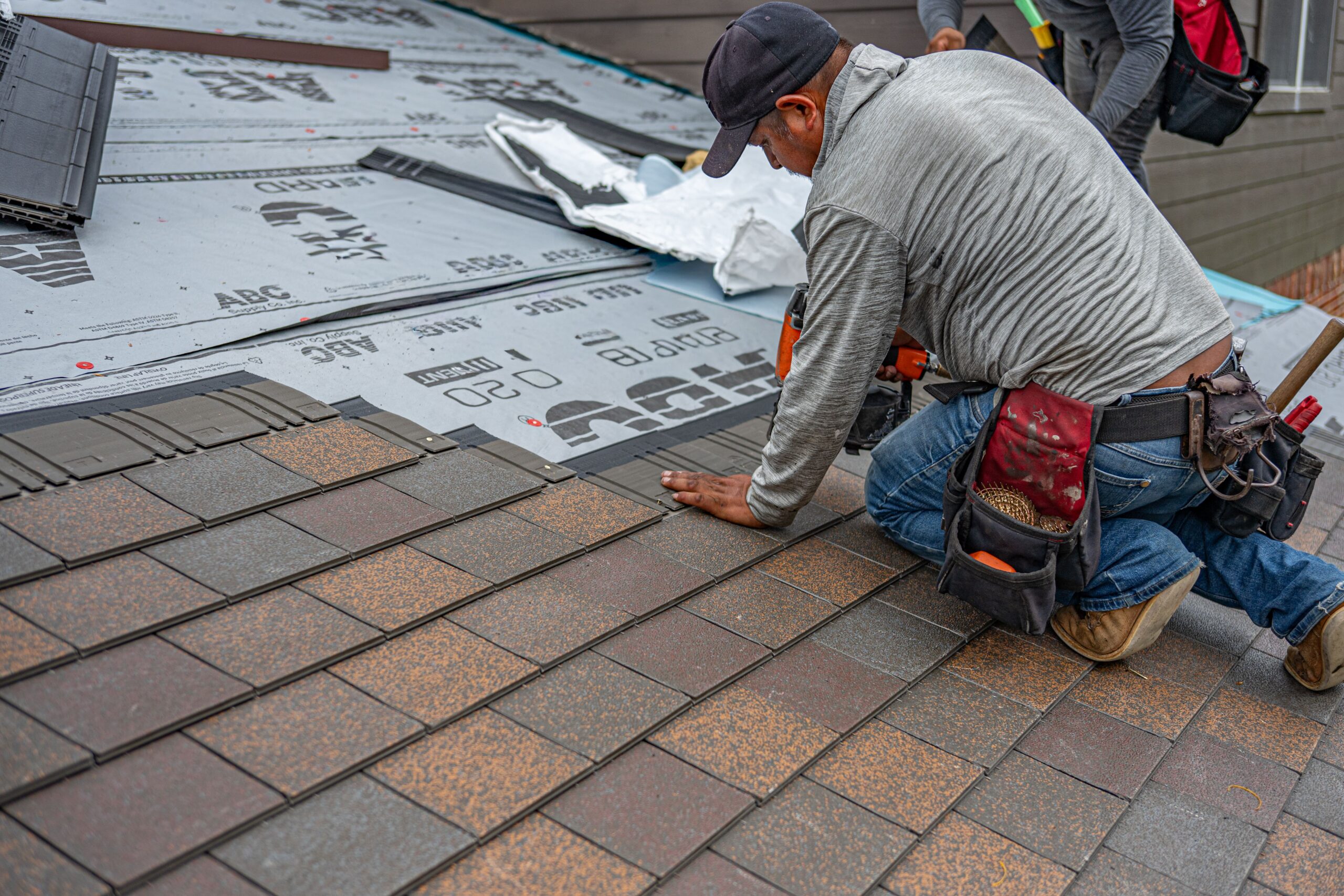
Asphalt shingles cost significantly less to install than cedar shake. Material and labour combined, asphalt typically runs about half the upfront investment of cedar. That difference matters if you're working within a fixed budget or planning to sell within the next 10 years.
Cedar shake requires skilled installation. Each shake is hand-laid, graded for thickness, and carefully aligned to shed water properly. The labour intensity drives up the initial price, but many Sherwood Park homeowners view it as an investment in curb appeal and resale value.
Material Cost Drivers
- Asphalt shingles: Manufactured in high volume, standardized dimensions, widely available across Alberta. Laminated architectural shingles (the most popular choice) offer dimensional texture and come with 25- to 30-year warranties.
- Cedar shake: Harvested, milled, and graded by hand. Premium Western red cedar costs more due to its natural rot resistance and tight grain. Availability can fluctuate with logging regulations and mill capacity.
Labor and Installation Time
Asphalt shingle installation moves quickly. A typical Sherwood Park home can be re-roofed in one to three days, depending on roof complexity and weather. Cedar shake installation takes two to four times longer. Each shake must be individually positioned, and roofers need specialized training to maintain proper spacing for expansion and contraction in Alberta's temperature swings.
If you're replacing a roof before winter and working against a tight timeline, asphalt shingles offer a faster turnaround. Cedar shake requires dry weather and can't be rushed without compromising long-term performance.
Lifespan and Durability in Alberta's Climate
Alberta's climate punishes roofs. Hailstorms, chinook wind cycles, freeze-thaw repetition, and heavy snow loads all accelerate wear. Both asphalt shingles and cedar shake can handle these conditions, but their lifespan and failure modes differ.
Asphalt Shingle Lifespan
Architectural asphalt shingles last 20 to 30 years in Edmonton's climate when properly installed and maintained. High-quality laminated shingles with algae-resistant granules and impact ratings perform best. Hail damage is the most common reason for premature replacement. Alberta's hail season (May through September) can shred older shingles or crack the asphalt mat, leading to leaks.
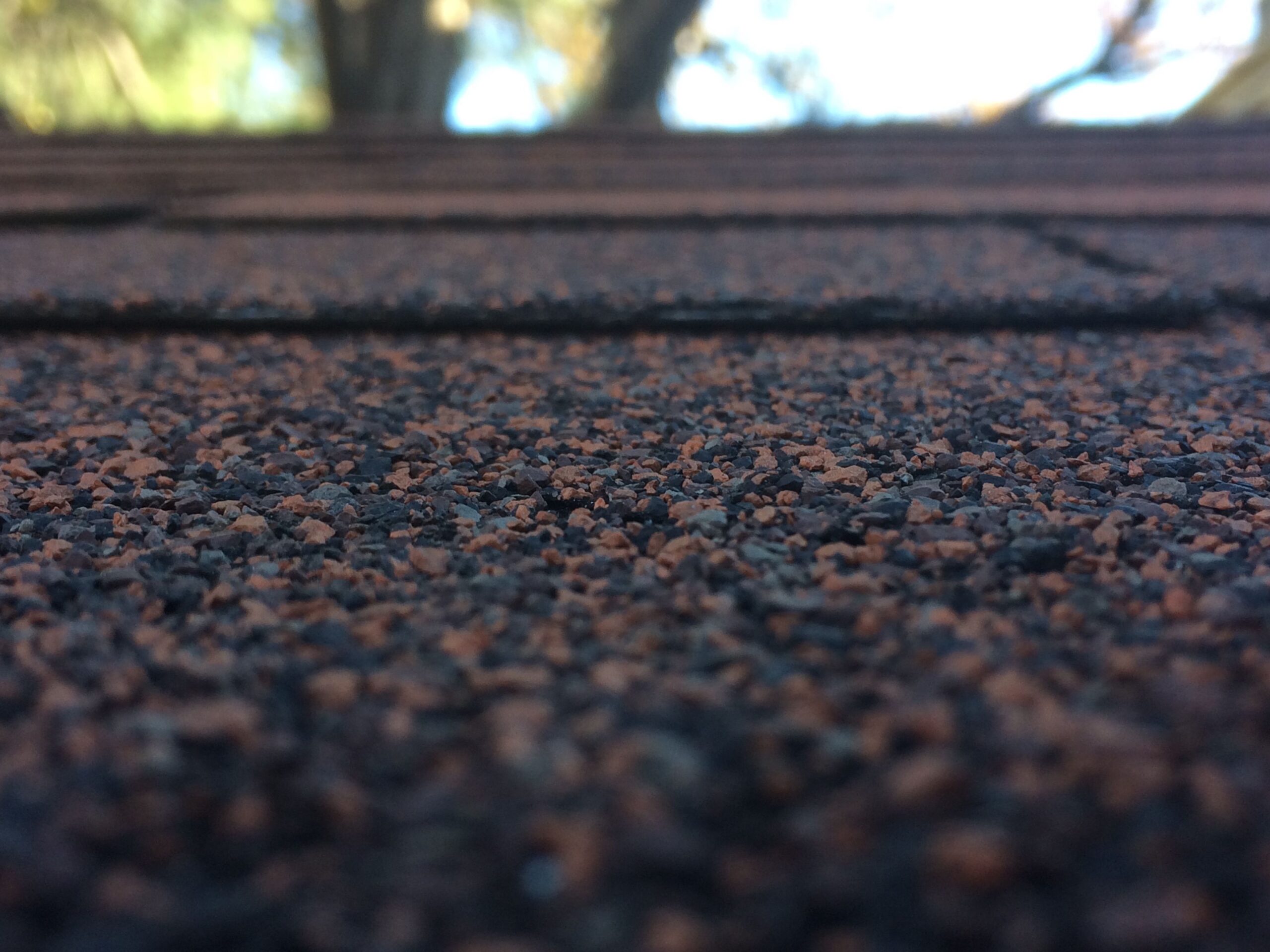
Asphalt shingles lose granules over time. You'll see them in your gutters after heavy rain. Once granule loss exposes the underlying mat, UV degradation accelerates and the shingles become brittle. Wind can lift tabs, and ice damming along eaves can work water underneath.
Cedar Shake Lifespan
Cedar shake roofs last 30 to 50 years when maintained properly. The natural oils in Western red cedar resist rot, insects, and UV damage. Cedar weathers to a silver-gray patina over time, which many homeowners love for its rustic aesthetic.
The biggest threat to cedar shake in Alberta is moisture retention during freeze-thaw cycles. If shakes don't dry out between snow melts, they can split, warp, or develop moss and algae growth. Proper attic ventilation and regular cleaning extend cedar shake lifespan significantly. We've seen well-maintained cedar roofs in Sherwood Park reach 40-plus years without major repairs.
Hail and Wind Resistance
Both materials handle wind well when installed correctly. Asphalt shingles rated for high wind zones (110+ mph) resist tab lift during chinook gusts. Cedar shake, being thicker and individually fastened, rarely blows off unless the fasteners fail.
Hail is a different story. Asphalt shingles with Class 4 impact ratings (often labelled "hail-resistant") absorb hail strikes better than standard shingles. Cedar shake is naturally impact-resistant due to its thickness, but large hailstones can crack or split individual shakes. After a major hail event in the Edmonton area, we inspect both materials closely. Asphalt damage is usually obvious (bruising, granule loss, cracks). Cedar damage requires a trained eye to spot hairline splits that may not leak immediately but will worsen over time.
Maintenance Requirements: Time, Effort, and Cost
Asphalt shingles are low-maintenance. You'll need to clear debris from valleys and gutters twice a year, inspect for storm damage after hail or windstorms, and occasionally replace a damaged shingle. Most homeowners handle gutter cleaning themselves or hire a service for a modest annual cost. If algae or moss appears (common on north-facing slopes in Edmonton), professional roof cleaning restores appearance and prevents moisture retention.
Cedar shake demands more attention. Plan to clean your cedar roof every two to three years, treating it with a wood preservative or anti-moss solution. Moss and algae love the texture of cedar, and once established, they trap moisture against the wood. Left unchecked, moss accelerates rot.
You'll also need to replace individual shakes as they split or warp. This is normal wear, not a sign of poor installation. Budget for minor shake replacement every 10 to 15 years. The good news: cedar repairs are straightforward. A skilled roofer can replace damaged shakes without disturbing the surrounding roof.
Long-Term Maintenance Costs
Over a 30-year period, cedar shake maintenance costs add up. Factor in biennial cleaning, preservative treatments, and periodic shake replacement. Asphalt shingles cost less to maintain over the same span, but you'll likely replace the entire roof once (around year 25) rather than repairing sections incrementally.
If you're not comfortable with ongoing maintenance or prefer a "set it and forget it" roof, asphalt shingles are the pragmatic choice. If you enjoy the aesthetic of natural wood and don't mind periodic upkeep, cedar shake rewards your effort with unmatched curb appeal.
Aesthetic Fit: Matching Your Home's Style
Architectural style should guide your material choice. Asphalt shingles suit virtually any home design, from modern builds to traditional two-stories. Manufacturers offer dozens of colours and profiles, so you can match brick, siding, or stone accents easily. Laminated architectural shingles mimic the dimensional look of wood shake at a fraction of the cost.
Cedar shake shines on heritage homes, Craftsman bungalows, and rustic designs. The natural texture and weathered patina complement stone facades, timber accents, and earth-tone palettes. Modern farmhouse and contemporary designs sometimes incorporate cedar shake for contrast, but the aesthetic is polarizing. If your neighbourhood leans traditional or you're renovating a character home in Sherwood Park, cedar shake amplifies curb appeal and resale value.
Color and Aging
Asphalt shingles hold their colour for 15 to 20 years before fading noticeably. Darker colours fade faster in direct sun. If colour consistency matters, choose lighter shades or shingles with UV-reflective granules.
Cedar shake starts as a warm honey or reddish-brown and weathers to silver-gray within three to five years. Some homeowners stain or seal cedar to preserve the original tone, but most embrace the natural aging process. The patina is part of cedar's charm. If you prefer a uniform, unchanging appearance, asphalt shingles are the better fit.
Resale Value Impact
A well-maintained cedar shake roof can increase your home's resale value, particularly in upscale or heritage neighbourhoods. Buyers often perceive cedar as premium and are willing to pay a modest premium. However, if the cedar roof is nearing the end of its lifespan or shows visible neglect, it can become a negotiating point. Buyers may request a price reduction or ask you to replace it before closing.
Asphalt shingles are neutral. A newer asphalt roof reassures buyers that they won't face replacement costs soon, but it rarely adds significant value beyond that peace of mind. If you're planning to sell within five years, asphalt shingles offer better cost recovery.
Energy Efficiency and Insulation Performance
Cedar shake provides natural insulation due to its thickness (typically 5/8" to 3/4" compared to asphalt's 1/4"). This translates to modest thermal benefits, particularly in older homes without modern attic insulation. The air pockets between shakes also improve ventilation, reducing heat buildup in summer.
Asphalt shingles offer minimal insulation value on their own. However, cool-roof shingles with reflective granules can reduce attic temperatures by several degrees in summer, lowering cooling costs. In Edmonton's climate, where heating dominates your energy budget, the insulation advantage of cedar shake is real but small. Proper attic insulation and ventilation matter far more than roofing material.
Neither material qualifies for significant energy rebates in Alberta. If energy efficiency is a top priority, focus on upgrading attic insulation, sealing air leaks, and ensuring adequate soffit and ridge venting, regardless of which roofing material you choose. attic insulation standards
Weight and Structural Considerations
Cedar shake weighs roughly twice as much as asphalt shingles. Most homes in Sherwood Park built in the last 40 years can support either material without structural reinforcement, but older homes or those with undersized roof framing may require evaluation.
If you're replacing an existing asphalt roof with cedar shake, have a structural engineer or experienced roofer assess your roof framing. Adding weight to an already stressed structure can lead to sagging or truss failure over time. Reinforcement is possible but adds to project cost.
Switching from cedar shake to asphalt shingles poses no structural risk. The reduced weight can even relieve stress on older framing.
Installation Deck Requirements
Asphalt shingles install over solid plywood or OSB sheathing. Cedar shake can be installed over solid sheathing or spaced skip sheathing (1×4 or 1×6 boards with gaps). Skip sheathing improves ventilation and is traditional for cedar, but modern Alberta building codes often require solid sheathing for fire resistance and wind uplift performance. Verify local code requirements with your roofer before finalizing your choice.
Climate Performance: Freeze-Thaw, Snow Load, and Ice Damming
Both materials handle Edmonton's freeze-thaw cycles, but they fail differently under stress.
Asphalt shingles expand and contract with temperature swings. Over time, this can cause cracking along the tabs or lifting at the seal line. Ice damming (when melting snow refreezes at the eaves) can force water under shingles, leading to leaks. Proper attic insulation and ventilation prevent most ice dam issues, but older homes with poor ventilation are vulnerable.
Cedar shake resists ice damming better due to its thickness and layered installation. Water that backs up under shakes typically drains away without penetrating the underlayment. However, freeze-thaw cycling can split individual shakes, especially if they've retained moisture. Ensuring your cedar roof dries out between snow events is critical.
Snow load is rarely an issue for either material in residential applications. Alberta building codes require roofs to handle substantial snow weight, and both asphalt shingles and cedar shake meet or exceed those requirements when properly installed.
Wind Resistance in Chinook Zones
Chinook winds in the Edmonton area can gust over 100 km/h, lifting poorly fastened roofing materials. Asphalt shingles rely on adhesive strips and fasteners to stay in place. High-wind-rated shingles (ASTM D7158 Class H) resist uplift better and are worth the modest upcharge if you live in an exposed area.
Cedar shakes are individually nailed, making them inherently wind-resistant. Fastener failure (due to rust or improper installation) is the primary risk. Stainless steel or hot-dipped galvanized nails prevent corrosion and maintain holding power over decades.
Warranty and Longevity Expectations
Asphalt shingle manufacturers offer 25- to 50-year limited warranties. Read the fine print: most warranties are prorated, meaning coverage decreases over time. After 10 years, you may receive only partial reimbursement for defective shingles. Installation workmanship warranties (typically 5 to 10 years) cover leaks due to improper installation. At Scherger Roofing, we back every roof replacement with a bold warranty pledge on workmanship, so you have confidence in both the product and the installation.
Cedar shake warranties vary by supplier and are often shorter than asphalt (10 to 20 years). Cedar is a natural product, and manufacturers can't control how it weathers in your specific environment. That's why maintenance matters so much. A well-maintained cedar roof outlasts its warranty by decades. A neglected cedar roof can fail before the warranty expires.
Realistic Lifespan in Sherwood Park
Based on our experience across Sherwood Park, Fort Saskatchewan, and Beaumont:
- Asphalt shingles: Expect 22 to 28 years with minimal maintenance. Hail damage is the wildcard.
- Cedar shake: Expect 35 to 45 years with regular cleaning and minor repairs. Neglect cuts that lifespan in half.
Both materials can exceed these ranges with optimal care and favorable conditions, but plan your budget around the realistic average.
Making Your Decision: Which Material Fits Your Priorities?
Use this decision framework to guide your choice:
Choose Asphalt Shingles If:
- You want the lowest upfront investment
- You prefer minimal ongoing maintenance
- You plan to sell within 10 to 15 years
- Your home's style is modern, suburban, or contemporary
- You value colour variety and consistent appearance
- You live in a high-hail area and want easier insurance claims
Choose Cedar Shake If:
- You own a heritage, Craftsman, or rustic-style home
- You appreciate natural materials and weathered patina
- You're comfortable with periodic cleaning and maintenance
- You plan to stay in your home for 20-plus years
- Curb appeal and uniqueness matter more than cost
- You want the best natural insulation and ventilation
Neither choice is wrong. Asphalt shingles are the practical workhorse, trusted by thousands of Edmonton-area homeowners for good reason. Cedar shake is the premium option for those who value character and are willing to invest time and money in upkeep.
Frequently Asked Questions
How long do asphalt shingles last compared to cedar shake in Alberta's climate?
Architectural asphalt shingles typically last 22 to 28 years in Edmonton's freeze-thaw cycles, while properly maintained cedar shake roofs can last 35 to 45 years. Cedar's longevity depends heavily on regular cleaning and minor repairs, whereas asphalt requires minimal upkeep but wears more predictably.
Can I install cedar shake over my existing asphalt shingle roof?
No. Building codes require removing old roofing down to the deck before installing cedar shake. This allows inspection of the sheathing for rot or damage and ensures proper ventilation. Asphalt shingles can sometimes be layered (though we don't recommend it), but cedar shake always requires a clean deck.
Which roofing material handles hail damage better in Sherwood Park?
Class 4 impact-rated asphalt shingles absorb hail strikes better than standard shingles and simplify insurance claims. Cedar shake is naturally thick and resilient, but large hail can crack individual shakes. Both materials perform well, but asphalt offers more affordable hail-damage repairs since you can replace sections without custom-matching aged wood.
Does cedar shake roofing require special permits or inspections in Edmonton?
No special permits beyond standard roofing permits are required for cedar shake in Edmonton or Sherwood Park. However, some neighbourhoods with restrictive covenants or heritage designations may have aesthetic guidelines. Check with your municipality and homeowners association before starting your project.
You've weighed the upfront investment, maintenance commitment, climate performance, and aesthetic fit. Both asphalt shingles and cedar shake roofing perform well in Alberta's demanding climate when installed correctly and maintained according to the material's needs. The right choice aligns with your home's style, your budget, and how long you plan to own the property. Braden and the Scherger Roofing team have installed hundreds of both materials across Sherwood Park, Fort Saskatchewan, Beaumont, and Edmonton. We'll walk your roof, answer your questions, and give you an honest recommendation based on your specific situation. Talk to Braden about which roofing material fits your home by calling 780-394-3404 or requesting a free quote today.