



When a hailstorm or windstorm tears across Alberta, your roof is almost always first in line to take the hit. It sits fully exposed at the highest, most weather-battered point of your home, absorbing everything the prairie sky throws down. The good news is that most home insurance policies are designed to cover exactly this kind of sudden storm damage. Still, the claims process itself can feel confusing and stressful if you’ve never navigated it before.
Knowing the steps ahead of time takes most of that stress away and genuinely improves your odds of a fair outcome. Below is a plain-language walkthrough of how roof insurance claims typically work in Alberta, from the moment the storm passes to the day the repair is finished. One important caveat before we begin: every policy is different, so treat this as general guidance to help you feel prepared, not as advice about your specific coverage. Your own policy documents and your insurer are the final word.
Does Alberta Home Insurance Cover Roof Damage?
In most cases, yes, but the reason for the damage is everything. Standard home insurance policies are built to cover damage from sudden, accidental events, which insurers call “perils”: hail, windstorms, fallen trees, and similar unexpected events. When a storm damages your roof, that’s precisely the kind of loss your policy exists to handle.
What insurance typically will not cover is damage caused by age, ordinary wear and tear, or neglected maintenance. This distinction matters enormously, because it’s the most common reason roof claims get denied. Insurers expect homeowners to keep their roofs in reasonable repair, and if an adjuster concludes that a leak resulted from a roof that was worn out rather than storm-damaged, the claim may not be approved. This is also why keeping up with routine maintenance and being able to show that you did quietly strengthens your position long before you ever file.
Step 1: Document the Damage
As soon as it’s safe to do so, start building your record. Take clear, well-lit photos of everything you can see: dented gutters and downspouts, missing or bruised shingles, granules washed into downspout splash zones, and any interior signs like ceiling stains or damp spots. Note the date of the storm, and hang on to any local weather reports or news coverage confirming hail or high winds in your area that day.
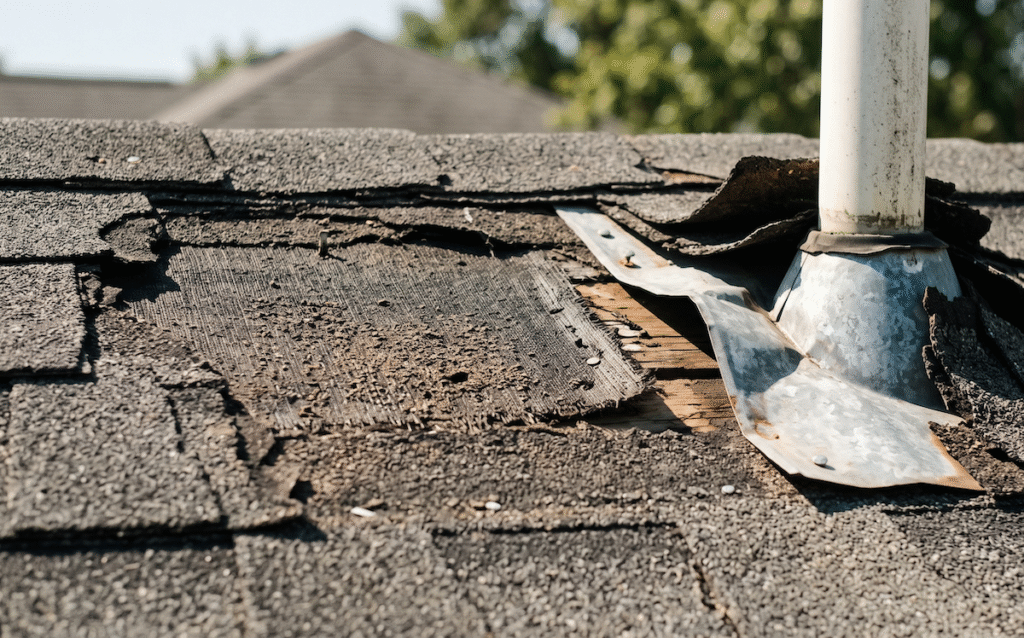
The reason to be thorough here is simple: storm damage can become surprisingly hard to attribute after the fact, especially once more weather rolls through. The stronger and more time-stamped your evidence, the smoother your claim tends to go. Documentation gathered right after the event is far more persuasive than anything reconstructed weeks later.
Step 2: Review Your Policy
Before you pick up the phone, take time to understand what you’re actually working with. Look closely at three things. First, deduct the amount you pay out of pocket before coverage kicks in. Second, your coverage limits. And third, and often most consequential, whether your policy pays replacement cost or actual cash value (ACV).
That last distinction can significantly change what you receive. A replacement cost policy covers what it takes to replace your roof at today’s prices. An ACV policy factors in depreciation, meaning an older roof is worth less on paper, and your payout may be reduced accordingly. Knowing which kind of policy you hold before you file prevents an unpleasant surprise later and helps you plan realistically for any out-of-pocket difference.
Step 3: Get a Professional Inspection and Estimate
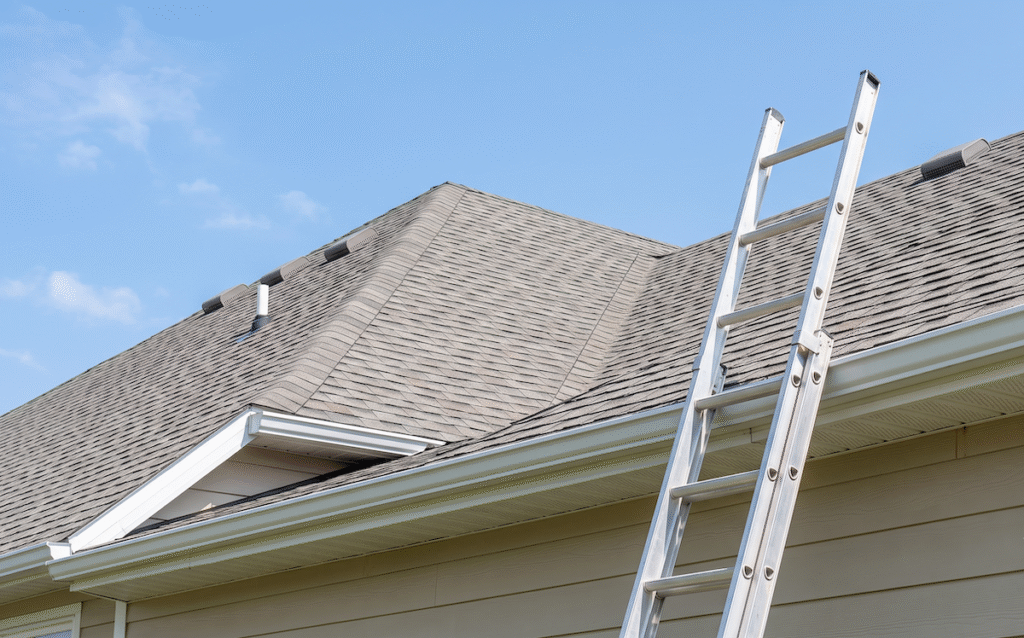
Have a qualified, reputable roofer complete a professional roof inspection of the damage and provide a written assessment and detailed estimate. A professional will identify damage you’d never catch from the ground, including bruised shingle mats, displaced granules, cracked sealant, and compromised flashing, and document it in the format adjusters are used to reviewing.
This step is valuable for another reason, too: it tells you whether the damage even exceeds your deductible. If the repair cost sits below your deductible, filing a claim gains you nothing and puts a claim on your record, so it’s genuinely useful to know that upfront before you commit to the process. A good roofer will be straight with you about whether a claim is worth pursuing at all.
Step 4: File the Claim and Meet the Adjuster
Once you’ve decided to proceed, contact your insurer promptly. Many policies require you to report storm damage within a specific window, and missing that deadline can jeopardize an otherwise valid claim. The insurer will assign an adjuster to assess the damage in person and determine what they’ll cover.
It’s well worth arranging for your roofer to be present during the adjuster’s visit. A good contractor can walk the adjuster through the damage, answer technical questions on the spot, and make sure legitimate damage doesn’t get overlooked or underestimated. Having a knowledgeable advocate in the room often makes a real difference in how thoroughly the assessment goes and how fairly the damage is valued.
Step 5: Complete Repairs With a Trusted Roofer
Here’s something many homeowners don’t realize: once your claim is approved, you choose who does the work. That decision belongs to you, not your insurer, regardless of any “preferred” contractor they might suggest. Choose a licensed, insured, reputable roofer who will complete the repair or replacement to a proper standard, because a cheap, rushed job in our climate will fail fast and leave you right back where you started.
Keep every receipt and piece of documentation, as well. Some policies pay in stages, holding back a portion of the funds until the work is verified as complete, so good record-keeping ensures you actually receive everything you’re entitled to.
Tips to Strengthen Your Claim
A few habits consistently lead to smoother claims. Act quickly, so you never bump up against a reporting deadline. Keep detailed records of every conversation, photo, and document, including names and dates. Don’t delay genuinely urgent repairs; protecting your home from further damage is expected of you, but photograph the damage first and keep the receipts. Be cautious of “storm chaser” contractors who appear at your door immediately after a storm promising free roofs and pressuring you to sign; reputable local companies don’t operate that way. And lean on your roofer’s experience, because established local contractors handle these claims regularly and can help you sidestep common missteps.
How Scherger Roofing Helps
At Scherger Roofing, we’ve guided many Alberta homeowners through the claims process from start to finish. We provide thorough inspections, clear and properly formatted documentation, and honest estimates, and we’re glad to be on site when your adjuster visits to make sure nothing legitimate gets missed. As a family-owned, licensed, and insured local company, our focus is on getting your roof genuinely and properly restored, not just closing a file.
Book your free storm damage inspection today. Call (780) 394-3404 or request a free estimate online. We proudly serve Edmonton homeowners, Sherwood Park, Fort Saskatchewan, and Beaumont, with 24-hour emergency repairs available for an additional fee after every storm.
Your roof, our commitment.
FAQs
Q: Does home insurance cover roof damage in Alberta?
A: In most cases, yes, for sudden, accidental events like hail, windstorms, and fallen trees. It typically won’t cover damage from age, wear and tear, or neglected maintenance, which is the most common reason claims are denied.
Q: How long do I have to file a roof insurance claim after a storm in Alberta?
A: It varies by policy, but many insurers require you to report storm damage within a set window, so act promptly. Document the damage with dated photos right away and contact your insurer as soon as possible.
Q: What’s the difference between replacement cost and actual cash value?
A: Replacement cost pays what it takes to replace your roof at today’s prices. Actual cash value (ACV) factors in depreciation, so an older roof is worth less on paper and your payout may be reduced. Check which one your policy uses before you file.
Q: Can I choose my own roofer for insurance repairs?
A: Yes. Once your claim is approved, the choice of contractor is yours, not your insurer’s, regardless of any “preferred” company they suggest. Choose a licensed, insured, reputable local roofer like Scherger Roofing to make sure the work is done properly.