



You’ve received quotes for your roof replacement Sherwood Park project, and now you’re wondering whether to book for July or wait until fall. The decision matters more than most homeowners realize. July’s heat affects everything from how quickly your shingles seal to crew productivity and project scheduling.
Roof replacement Sherwood Park projects in July benefit from optimal temperatures for adhesive curing, typically 23, 26°C highs that activate shingle sealant strips faster than cooler months. Your new roof bonds properly within days instead of weeks, providing immediate protection before Alberta’s unpredictable summer storms roll through. However, peak season also means tighter crew availability and heat-related considerations that smart homeowners factor into their decision.
How July Heat Accelerates Shingle Sealing in Alberta
Asphalt shingles rely on heat-activated adhesive strips to bond each course to the layer below. This thermal sealing process protects your roof from wind uplift and water infiltration.
Optimal Temperature Range for Adhesive Activation
Sherwood Park’s July temperatures hit the sweet spot for shingle installation. When daytime highs reach 23, 26°C, the adhesive strips on asphalt shingles soften and bond within 24, 48 hours. Cooler spring or fall temperatures (below 15°C) can delay this process for weeks, leaving your roof vulnerable to wind damage during that window.
The science is straightforward: heat softens the asphalt-based adhesive, pressure from overlapping shingles creates contact, and UV exposure completes the bond. July provides all three conditions consistently.
Faster Project Completion Means Earlier Protection
When your shingles seal quickly, your roof replacement Sherwood Park project moves from “technically complete” to “fully weatherproofed” in days instead of weeks. This matters during Alberta’s July thunderstorm season, when sudden downpours and 60+ km/h wind gusts can test a freshly installed roof.
Scherger Roofing schedules July projects knowing that completed roofs will seal before the next weather system arrives. We’ve seen too many delayed fall installations where shingles sat unsealed through early snow events, creating callbacks that proper timing would have prevented.
The Trade-Off: Heat Stress on Installation Crews
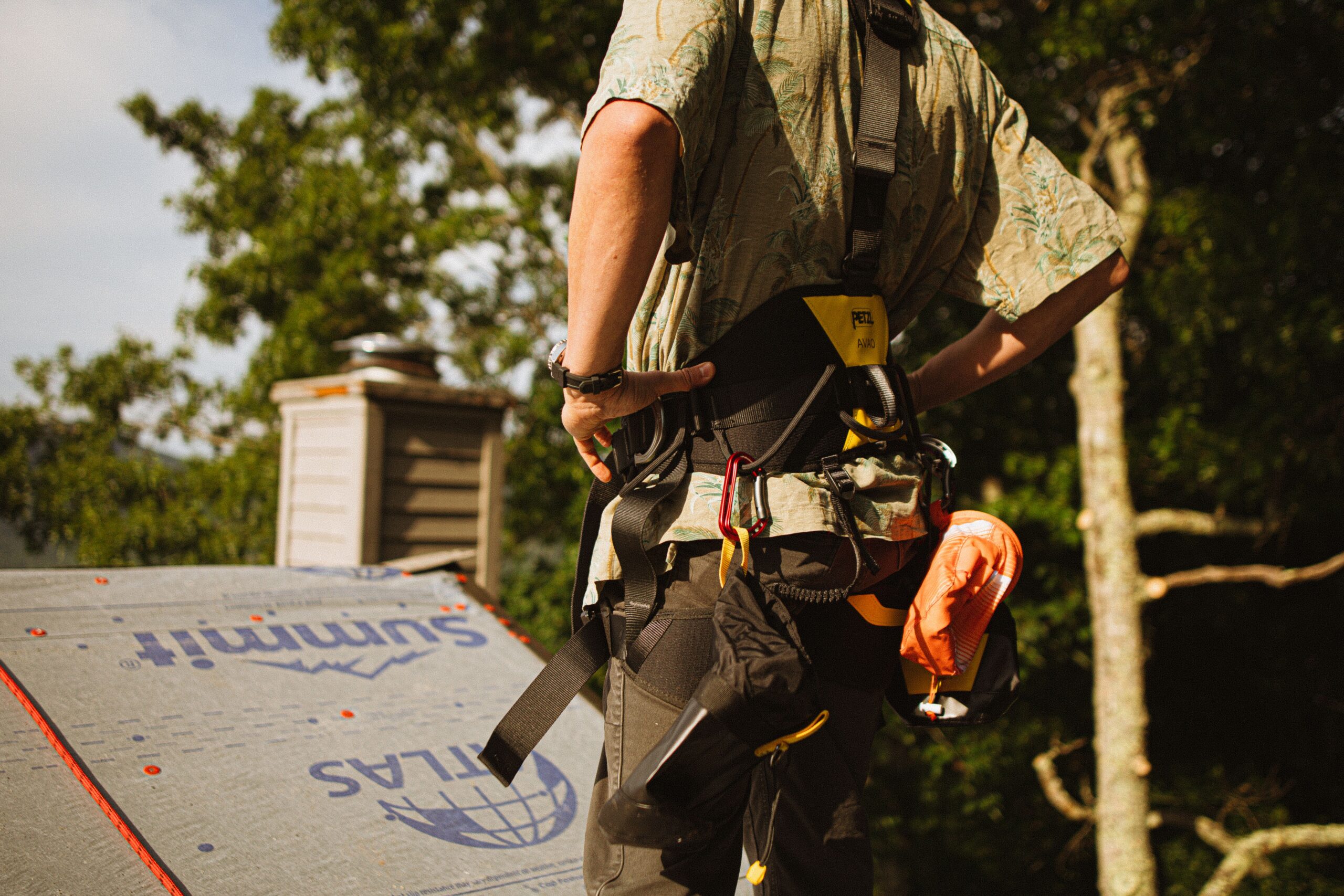
Full disclosure: July heat that helps shingles also challenges crews. When temperatures climb above 28°C (which happens 8, 12 days each July in Sherwood Park), rooftop temperatures can hit 50°C or higher on dark shingles.
Professional crews adapt by starting earlier (6:00, 7:00 AM), taking more frequent hydration breaks, and rotating workers between rooftop and ground tasks. These measures add 10, 15% to daily labour hours but prevent heat exhaustion and maintain quality workmanship. At Scherger Roofing, we build these considerations into our July schedules rather than rushing crews through unsafe conditions.
Peak Season Scheduling: Why July Slots Fill Fast
July represents the busiest month for Alberta roofers, and for good reason. Homeowners who delayed spring projects and those preparing for winter converge on the same tight window.
Three-Week Lead Times Become the Norm
In April or May, you might book a roof replacement Sherwood Park project with one week’s notice. By July, reputable contractors are scheduling 2, 4 weeks out. We fielded 94 five-star Google reviews roof replacement precisely because we show up when promised, but that reliability requires realistic scheduling.
Homeowners who call Scherger Roofing in early July typically secure mid- to late-month installation dates. Those who wait until July 20th often push into August, when weather uncertainty increases and crew availability tightens further before the fall rush.
Weather Delays Compound in Summer Storm Season
July brings Alberta’s thunderstorm season. While total rainfall averages only 80, 100mm monthly in Sherwood Park, it arrives in sudden, intense cells rather than gentle drizzle. A forecast calling for “30% chance of showers” can halt roofing work for 4, 6 hours mid-project.
Professional roofers build one weather day per project into July schedules. A typical two-day roof replacement becomes a three-day window to account for afternoon storm interruptions. This buffer protects both quality (we never install shingles on wet decking) and your timeline.
The Insurance Claim Factor
July follows June hailstorms in Alberta. Homeowners processing insurance claims for wind or hail damage compete for the same contractor slots as planned replacement projects. If your roof sustained storm damage this spring, you’re now in line behind dozens of neighbours filing similar claims.
According to the Insurance Bureau of Canada weather statistics, severe weather claims in Alberta spike 40, 60% in July and August compared to other months. This demand surge tightens contractor availability across Sherwood Park, Fort Saskatchewan, and Edmonton.
Material Performance: What July Heat Does to Your Roofing System
Beyond shingle adhesive, July’s warmth affects other roofing components in ways homeowners rarely consider.
Attic Ventilation Work Becomes More Obvious
When crews remove your old roof in July heat, inadequate attic ventilation becomes immediately apparent. A poorly ventilated attic can reach 65°C on a 26°C day, baking sheathing from below while the sun heats it from above.
This visibility helps. If your roof replacement Sherwood Park project reveals insufficient soffit intake or ridge exhaust, addressing it during the same project costs far less than a separate visit. Scherger Roofing’s crews identify ventilation deficiencies during July tear-offs and recommend solutions before we install your new shingles.
Proper ventilation extends shingle life by 20, 30% in Alberta’s climate. July installations give you the perfect opportunity to upgrade.
Decking Repairs Dry Faster
If your roof replacement uncovers rotted plywood or OSB sheathing (common around chimneys, valleys, and eaves), July’s low humidity helps replacement panels acclimate quickly. New sheathing installed in 25°C, 40% humidity conditions reaches moisture equilibrium within hours, allowing same-day shingle installation.
Fall or spring dampness can delay this process by days, extending your project timeline and leaving your home exposed.
Sealant and Flashing Work Benefits from Heat
Roof penetrations (vents, chimneys, skylights) require sealant that cures properly to prevent leaks. Most roofing mastics and caulks cure fastest between 20, 30°C. July provides ideal conditions for flashings around chimneys, plumbing stacks, and roof-to-wall transitions.
Cold-weather installations often require special low-temperature sealants that cost more and perform marginally compared to standard products used in summer heat.
The Fall Alternative: Why Some Homeowners Wait
July isn’t the only option. September and October offer legitimate advantages for certain situations.
Cooler Working Conditions, Steadier Crew Pace
Fall temperatures (12, 18°C) eliminate heat stress, allowing crews to maintain consistent productivity from 7:00 AM through 5:00 PM without extended breaks. A roof replacement Sherwood Park project that takes two full days in July might complete in 1.75 days in September purely due to sustained work pace.
For larger homes (250+ squares) or complex rooflines with multiple valleys and dormers, fall timing can trim overall project duration.
Lower Demand Means More Flexible Scheduling
September sees a brief lull between summer’s peak and October’s pre-winter rush. Homeowners booking fall roof replacements often secure their preferred start date with one week’s notice instead of three.
If your current roof remains watertight and you’re replacing for aesthetic reasons or pre-winter preparation rather than active leaks, waiting for fall’s scheduling flexibility makes sense.
The Risk: Early Winter Weather
Alberta’s first snowfall can arrive as early as mid-October. While professional roofers work safely in light snow, frozen sheathing and sub-zero overnight temperatures complicate installation. Shingle adhesive won’t activate until spring, leaving your roof mechanically fastened but not fully sealed for months.
Homeowners who delay until late September gamble on weather. A two-week October cold snap can push your project into conditions where July’s heat would have been the smarter choice.
Making Your Decision: July vs. Fall for Your Sherwood Park Roof
Your roof’s current condition determines urgency. Ask yourself:
- Do you have active leaks or missing shingles? Book immediately. July heat seals your new roof fast, providing protection before the next storm.
- Is your roof 18+ years old with visible curling or granule loss? July makes sense. You’re buying time before winter, and the faster seal timeline protects your investment.
- Are you replacing for curb appeal with no structural concerns? Fall offers flexibility. You can wait for cooler working conditions and easier scheduling.
- Did insurance approve a claim for hail or wind damage? Book July if slots remain. Claim deadlines and contractor availability both tighten as summer progresses.
At Scherger Roofing, we’ve completed hundreds of roof replacements across Sherwood Park, Fort Saskatchewan, and Beaumont in every season. July installations consistently deliver the fastest seal times and earliest full protection. The trade-off is tighter scheduling and heat-adapted work pacing.
What to Expect from a July Roof Replacement in Sherwood Park
If you decide to book your project for July, here’s the realistic timeline and process.
Pre-Installation: Site Prep and Material Delivery
Your contractor should deliver shingles 24, 48 hours before installation. July heat helps new shingles acclimate to ambient temperature before installation, improving flexibility and reducing breakage during handling.
Scherger Roofing coordinates delivery with your schedule, placing bundles where they won’t block driveways or walkways. We tarp materials if rain threatens and confirm your installation date 48 hours in advance.
Day One: Tear-Off and Sheathing Inspection
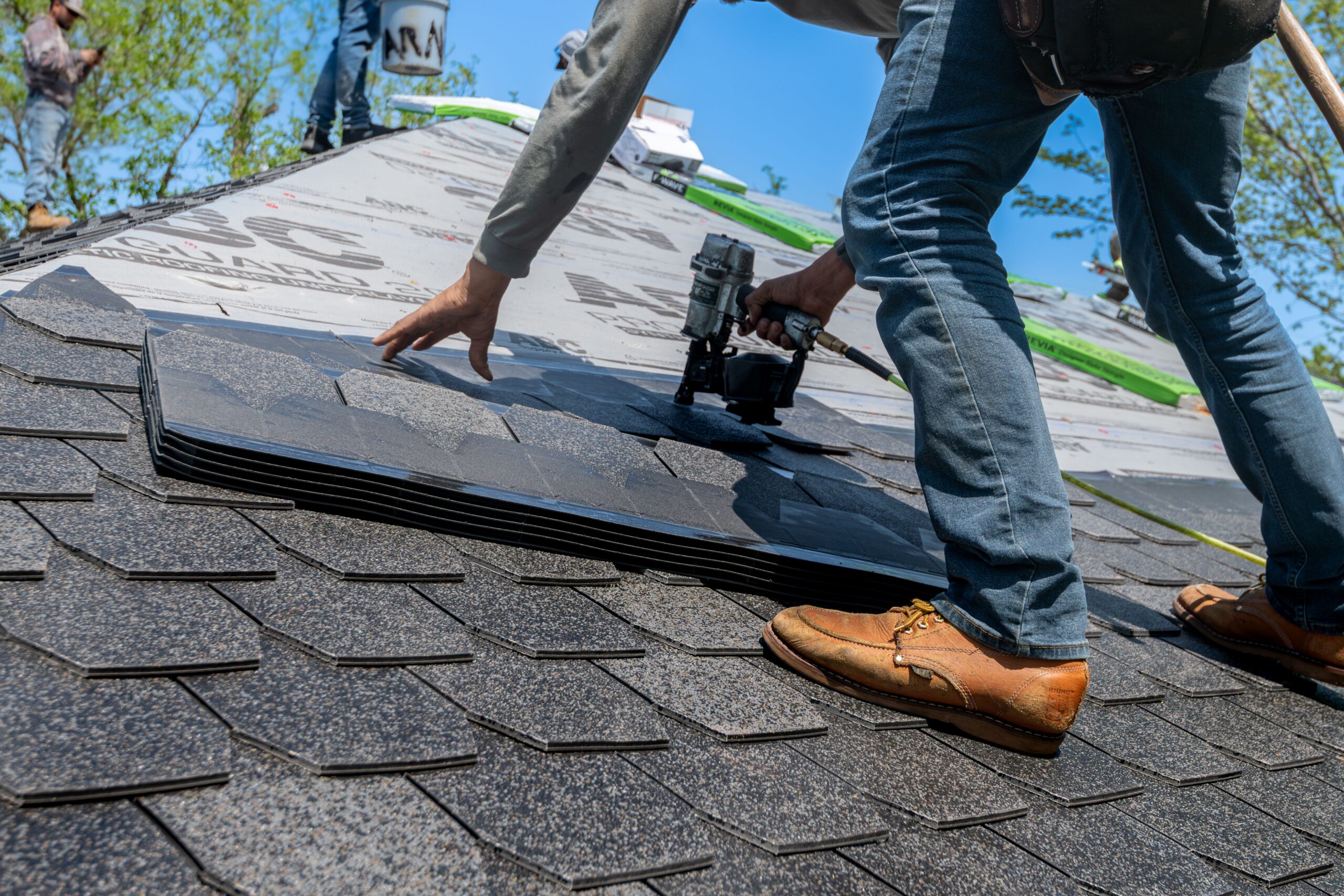
Most residential roof replacements begin with full tear-off between 7:00, 8:00 AM. Crews remove old shingles, underlayment, and flashing, exposing sheathing for inspection. July heat makes this phase dusty; expect some granule and debris despite tarps and magnetic sweeps.
By mid-afternoon, your roof should be completely stripped, sheathing repairs completed, and new underlayment installed. If weather cooperates, crews begin shingle installation the same day, covering critical areas (valleys, eaves, ridges) before tarping for overnight protection.
Day Two: Shingle Installation and Final Details
Full shingle installation typically completes by early afternoon on day two for most homes. Crews finish with ridge cap installation, flashing around penetrations, and final cleanup.
July’s heat means your shingles begin sealing within 24 hours. You’ll notice the adhesive strips darkening and edges lying flatter as the bond forms.
Post-Installation: The Critical First Week
Your new roof is walkable immediately but reaches full wind resistance only after shingles seal completely (48, 72 hours in July heat). Avoid heavy foot traffic during this window.
Scherger Roofing schedules a quality check 5, 7 days post-installation to verify proper sealing, address any minor adjustments, and answer your questions. Our bold warranty pledge backs every installation, giving you confidence in workmanship that outlasts Alberta’s harsh climate.
Frequently Asked Questions
Can roofers work safely in July heat?
Yes. Professional crews adapt by starting early (6:00, 7:00 AM), taking frequent hydration breaks, and rotating tasks. July’s heat challenges workers but doesn’t compromise safety when proper protocols are followed. Reputable contractors prioritize crew welfare over speed.
Will July heat damage my new shingles during installation?
No. Asphalt shingles are manufactured to withstand rooftop temperatures exceeding 70°C. July heat in Sherwood Park (typically 23, 26°C ambient, 45, 50°C rooftop) falls well within tolerance. In fact, moderate heat improves shingle flexibility during installation, reducing breakage compared to cold-weather work.
How long before my July roof replacement is fully sealed?
Shingles installed in July heat typically seal within 24, 48 hours, providing full wind resistance by the third day. Cooler months can extend this to 2, 4 weeks. Faster sealing means earlier protection against Alberta’s summer storms.
Should I wait for a sale or book July at regular pricing?
Roof replacement Sherwood Park contractors rarely discount July work due to high demand. Spring and late fall sometimes see promotional pricing when schedules have gaps. However, delaying a needed replacement to save 5, 10% risks additional damage that costs far more than the discount. If your roof requires replacement, July’s optimal installation conditions outweigh minor savings from waiting.
Book Your Roof Replacement While July Slots Remain Open
July heat creates ideal conditions for roof replacement Sherwood Park homeowners should leverage while contractor availability allows. Your shingles will seal faster, providing full protection before fall weather uncertainty arrives. The trade-off is tighter scheduling and heat-adapted pacing, but professional crews handle both without compromising quality.
At Scherger Roofing, we’ve earned 94 five-star Google reviews by showing up when promised, respecting your property, and delivering workmanship that stands up to Alberta’s climate extremes. Owner Braden personally oversees scheduling and responds to every client concern.
If your roof needs replacement this year, July offers distinct advantages. Call 780-394-3404 or request a free quote to secure your installation date before peak-season slots fill completely. Your new roof can be sealed and storm-ready before August arrives.