


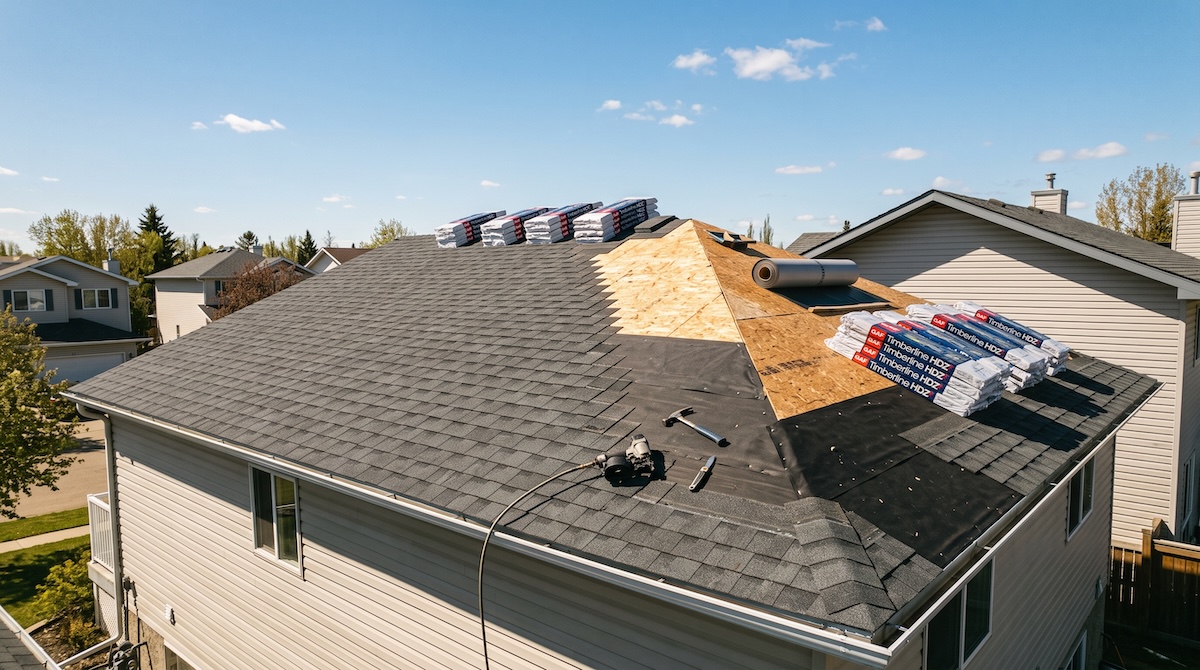
Roof replacement is a major home project, and timing can affect scheduling, working conditions, material handling, and how urgently you need to act. Edmonton homeowners often assume roofing can only be done in the hottest part of summer, but the real answer is more flexible.
The best time to replace a roof is when weather conditions are suitable and before an aging or damaged system turns into an emergency. Spring, summer, and fall can all provide good roofing windows in the Edmonton area, while urgent repairs may still be required at other times of year.
Here is how to think about timing your project.
Start With Roof Condition, Not the Calendar
If a roof is actively leaking, has widespread storm damage, or has missing materials that expose the home to water, waiting months for a preferred season may create more damage. Safety and water protection come first.
For a roof that is aging but still functioning, homeowners have more flexibility. An inspection can help estimate whether the roof will remain serviceable through another season or whether replacement should be scheduled sooner.
Spring Roof Replacement in Edmonton
Spring can be a practical time to inspect winter damage and plan replacement before the busiest summer period. Melting snow may reveal leaks, damaged flashing, ice-dam effects, or shingles affected by freeze-thaw cycles.
The challenge is variable weather. Rain, late snow, wind, and cold mornings can interrupt work. Professional roofers watch forecasts carefully and stage the project so the home remains protected when conditions change.
Spring is especially useful for homeowners who want to deal with winter-discovered issues before summer storms arrive.
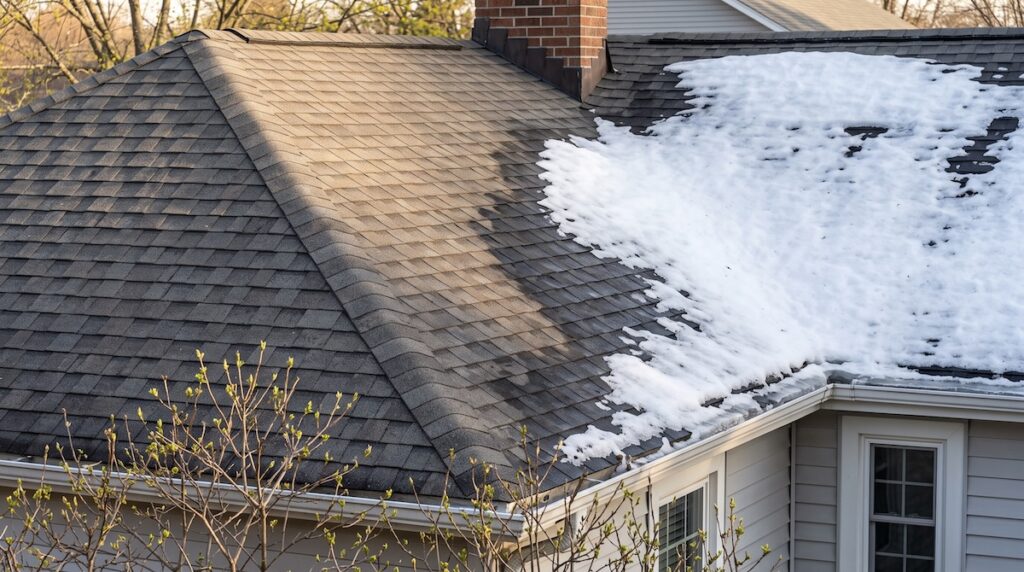
Summer Roof Replacement
Summer generally offers longer daylight hours and many suitable installation days. Asphalt shingles also seal effectively when temperatures are warm enough for their adhesive strips to activate under normal conditions.
However, extreme heat can create its own challenges. Roof surfaces can become much hotter than the surrounding air, which affects worker safety and can make some materials easier to scuff during installation. Experienced crews adjust schedules and handling practices accordingly. Our post on why hot weather makes or breaks a summer roof replacement explains how.
Summer is popular, so booking early can give you more date options.
Fall Roof Replacement
Early and mid-fall can be an excellent roofing window. Temperatures are often moderate, and homeowners can complete work before winter snow and ice arrive.
Fall is also when many people notice they have postponed roofing concerns for another year. That can increase demand, so waiting until the first major cold spell may limit scheduling flexibility.
If your roof is already near the end of its life, arranging an inspection before fall becomes busy can help you avoid a last-minute decision.
Can a Roof Be Replaced in Cold Weather?
Roofing work can sometimes be performed in colder conditions, but temperature affects materials and installation methods. Asphalt shingles become less flexible in cold weather and may require additional care. Manufacturer instructions and appropriate fastening and sealing procedures are important.
Snow, ice, high winds, and unsafe roof conditions can also delay work. A qualified roofer should determine whether conditions are appropriate rather than forcing an installation to meet a date.
How Weather Affects Asphalt Shingle Installation
Asphalt shingles rely on correct fastening and, over time, thermal activation of factory sealant strips. Warm weather can help those seals bond more quickly. In cooler conditions, roofers may need to follow manufacturer-specific procedures to ensure shingles remain secure until sealing occurs naturally.
This is one reason choosing an experienced Edmonton roofing contractor matters. Local crews are familiar with rapidly changing Alberta conditions and know when work should proceed and when it should wait.
What About Metal Roofing?
Metal roofing behaves differently from asphalt shingles and may offer a wider installation temperature range in some circumstances. Even so, snow, ice, wind, and worker safety remain important considerations.
The ideal timing still depends on the specific roofing system, roof design, manufacturer requirements, and forecast. If you are weighing materials, our guide to the best roofing materials for Alberta winters is a helpful starting point.
Plan Around Storm Season
Edmonton and surrounding communities can experience severe summer storms, including hail and strong winds. If an older roof already has brittle shingles, granule loss, loose flashing, or previous damage, replacing it before another storm season may reduce the risk of an unexpected leak.
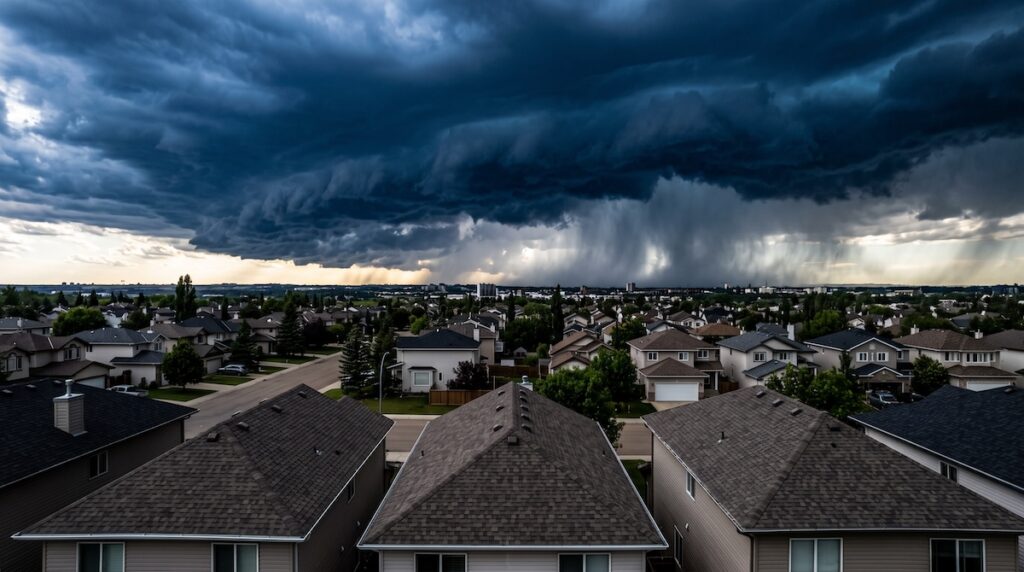
If a storm has already caused damage, have the roof inspected promptly. Do not assume visible damage is the full extent of the problem.
Book Before a Real Estate Transaction
If you are planning to sell a home with an aging roof, timing the project well before listing can simplify scheduling and prevent roofing questions from becoming a last-minute negotiation issue.
Buyers may also want a roofing inspection when a home has an older system. Knowing the condition early gives everyone more time to make informed decisions.
Consider Material Availability
Some roofing products, colours, profiles, or specialty systems may require more lead time than standard materials. If you have a specific architectural shingle, metal profile, cedar product, or Euroshield rubber roofing system in mind, ask about availability before choosing an installation date.
Planning early is especially important when appearance is a major part of the decision, and you do not want to substitute a second-choice material because of scheduling pressure.
Do Not Wait for an Active Leak
One of the most expensive ways to schedule a roof replacement is to wait until water is entering the home. At that point, the project may involve emergency protection, wet insulation, damaged drywall, or roof decking repairs in addition to the planned replacement.
Warning signs such as widespread curling, missing shingles, recurring repairs, deteriorated flashing, granules collecting in gutters, and known storm damage are reasons to request an assessment before the situation becomes urgent.
How Far Ahead Should You Schedule?
Lead times change with weather and demand. If you know the roof needs replacement and want work completed in a particular season, contact a contractor early enough to allow for inspection, material selection, estimating, and scheduling.
Early planning also gives you time to compare roofing options and understand the scope instead of making decisions under pressure.
Choosing the Right Time for Your Home
There is no universal “best month” for every Edmonton roof. The right window depends on roof condition, material, weather, urgency, contractor availability, and your own schedule.
A sound roof with moderate aging can often be planned strategically. A roof with active leaks or serious damage should be addressed based on risk, not convenience.
Plan Your Edmonton Roof Replacement with Scherger Roofing
Scherger Roofing provides roof inspections, repairs, replacements, asphalt shingles, metal roofing, cedar roofing, Euroshield rubber roofing, commercial roofing, and emergency services in Edmonton and nearby communities.
If you are wondering whether your roof can wait until next season, start with an inspection. Scherger Roofing can explain the condition of the system and help you choose a practical replacement window.
Call (780) 394-3404 or request a free estimate online.
Frequently Asked Questions
What month is best for roof replacement in Edmonton?
There is no single best month. Suitable periods commonly occur from spring through fall, depending on weather. Consider roof condition and urgency before choosing a date.
Is fall too late to replace a roof?
Not necessarily. Fall can offer excellent roofing conditions, but colder temperatures and shorter weather windows become more likely later in the season. Booking early improves flexibility.
Can asphalt shingles be installed when it is cold?
They can sometimes be installed in cooler conditions when manufacturer requirements and cold-weather procedures are followed. You must also consider snow, ice, wind, and material flexibility.
Should I replace my roof before it starts leaking?
Often, yes. If an inspection shows widespread deterioration or the roof is near the end of its service life, planned replacement can be less disruptive than waiting for an emergency leak.